
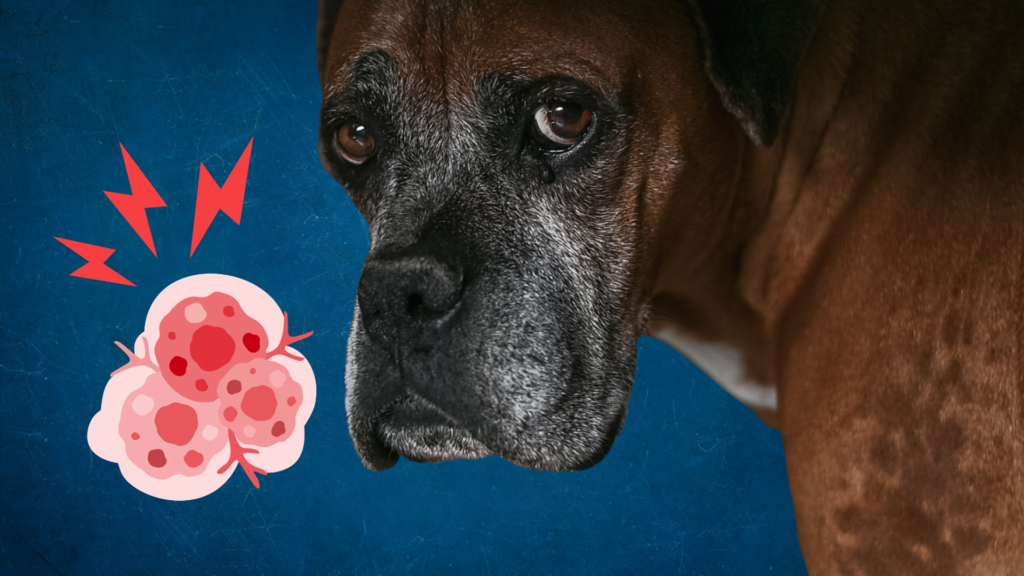
Has a small bump interrupted your dog’s usual brushing session? Whether you found it today or noticed that an older growth looks different, concerns about cancer in dogs can quickly follow. You cannot tell what a lump means just by looking at it, but you can take a practical first step by arranging a veterinary exam.
A visit to Heritage Animal Clinic gives you a chance to discuss what you have noticed with a veterinarian in Madison, AL.
What is the Lump on My Dog?
A lump may be a cyst, a fatty growth, inflammation, or another type of mass, including a cancerous tumor. Benign growths do not invade nearby tissues or spread throughout the body, although their location or size can sometimes cause discomfort. Cancer in dogs occurs more frequently as pets age, and some breeds have an increased risk of particular cancers. In fact, 1 in 4 dogs will develop cancer. The increased risk does not mean every older dog will develop cancer, and youth does not rule it out.
Pay Attention to Other Changes, Too
New bumps deserve attention, as do existing lumps that enlarge, bleed, become sore, or change in appearance. Possible signs of cancer in dogs also include unexplained weight loss, stiffness, unusual bleeding from the mouth or nose, sores that will not heal, and changes in appetite or energy. These findings can have other explanations, so none confirms cancer on its own.
Let your veterinarian know if your dog is leaving food behind, resting more than usual, or showing other persistent changes. If your dog is having difficulty breathing, call for an emergency visit.
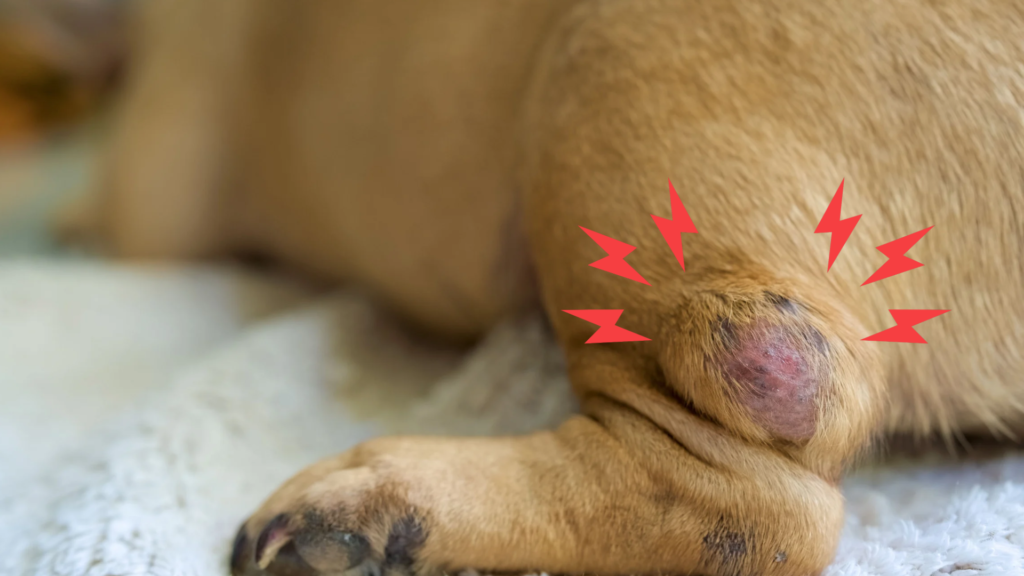
An Examination of the Lump Is the Starting Point
When you contact Heritage Animal Clinic, explain where the lump is, when you first noticed it, and whether it seems to bother your dog. Your veterinarian will examine your pet and consider the growth alongside their health history and any other symptoms. A soft texture, small size, or lack of pain cannot reliably establish that a mass is harmless.
Depending on the findings, a veterinarian may recommend a biopsy. Getting more information about the cells or tissue can guide recommendations about monitoring, further evaluation, treatment, or referral.
Check Gently Between Veterinary Visits
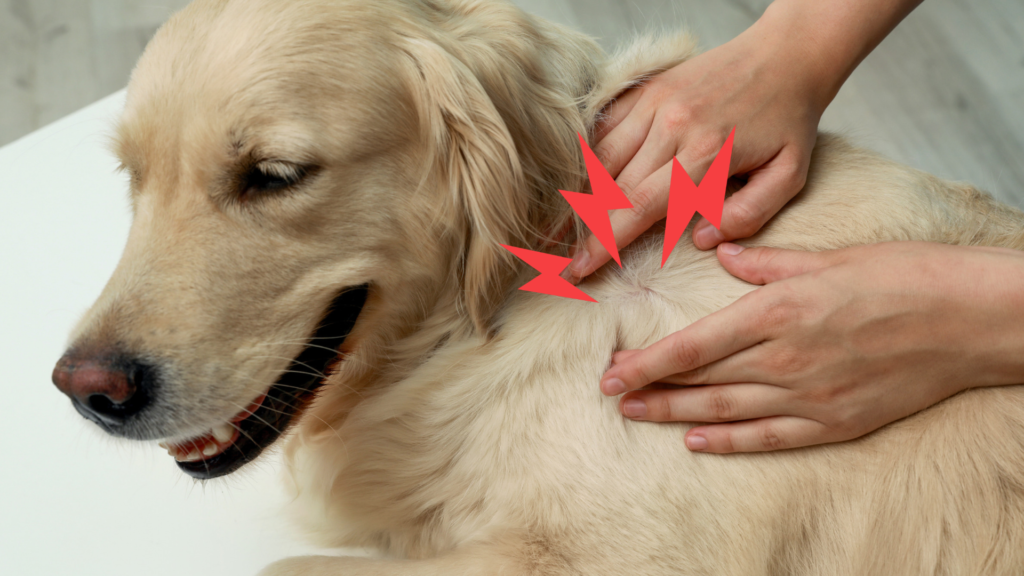
Use a relaxed moment with your dog to become familiar with the way their skin and body normally feel. Gently check beneath the coat along the head, neck, torso, belly, and legs, without squeezing any bumps you find. If your dog allows it safely, lift the lips to look for unusual growths, bleeding, or sores in the mouth.
Leave painful areas for your veterinarian to examine. Record new findings and keep up with veterinary visits as your dog gets older, since a home check cannot reveal every health problem.
Some Cancers Do Not Create a Noticeable Bump
Certain forms of cancer in dogs affect internal organs or blood cells without producing a visible skin growth. Unexplained changes in weight, appetite, stamina, or behavior still warrant a veterinary visit when they persist. Finding no lumps does not rule out illness. Describe the changes you have observed so your veterinarian can assess the broader picture.
Arrange a Lump Check With Your Madison Veterinarian
Heritage Animal Clinic offers veterinary exams for pets from Madison, Huntsville, Athens, and the surrounding Alabama communities. If you have discovered a growth or noticed a change in an existing one, contact our team to arrange an examination. Finding a lump can be worrying, but it is not a diagnosis by itself. If testing identifies cancer, we can talk through the options.