
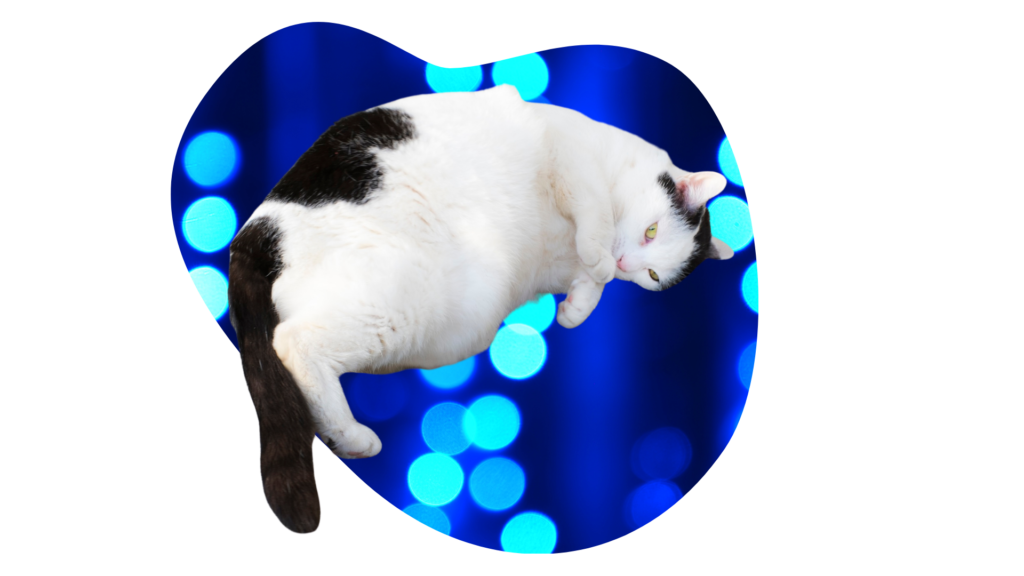
Noticing a rounder belly or a little more effort during play may leave you wondering whether you have an overweight cat. Weight changes usually develop gradually, so the difference is not always obvious from one week to the next. For cat owners in Madison, a closer look at body shape, eating habits, and activity offers a useful starting point. If your cat seems heavier than usual, a veterinary exam at Heritage Animal Clinic provides a clearer picture of what is happening and what steps fit your pet.
Why Extra Weight Matters for Your Cat’s Health
Excess body fat places added strain on a cat’s joints and may make jumping, grooming, and active play more difficult. An overweight cat may face greater risk for conditions such as diabetes, arthritis, urinary concerns, and other health problems. Reduced mobility affects quality of life, especially as a cat ages. Addressing weight changes early gives your veterinarian an opportunity to evaluate overall health and discuss a safe plan.
What Could Be Behind Your Cat’s Weight Gain?
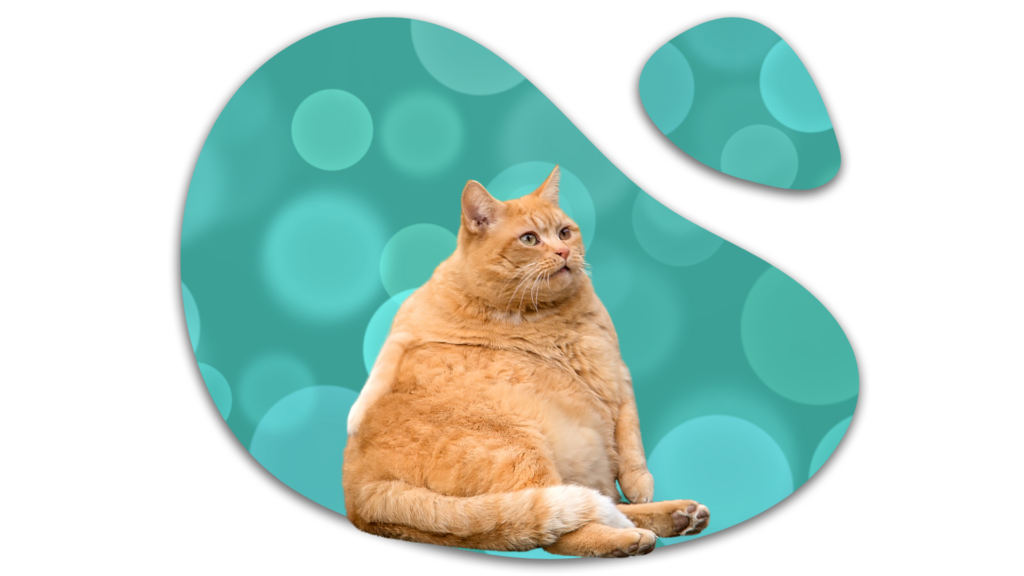
Food intake is a common reason cats gain too much weight, particularly when portions are larger than needed or treats add substantial daily calories. Indoor routines with limited activity may contribute as well. Age, spay or neuter status, and individual metabolism may influence calorie needs. In some cases, a medical condition or medication is part of the picture, which is why unexplained weight gain deserves veterinary attention rather than assumptions about diet alone.
Reading Your Cat’s Body Shape at Home
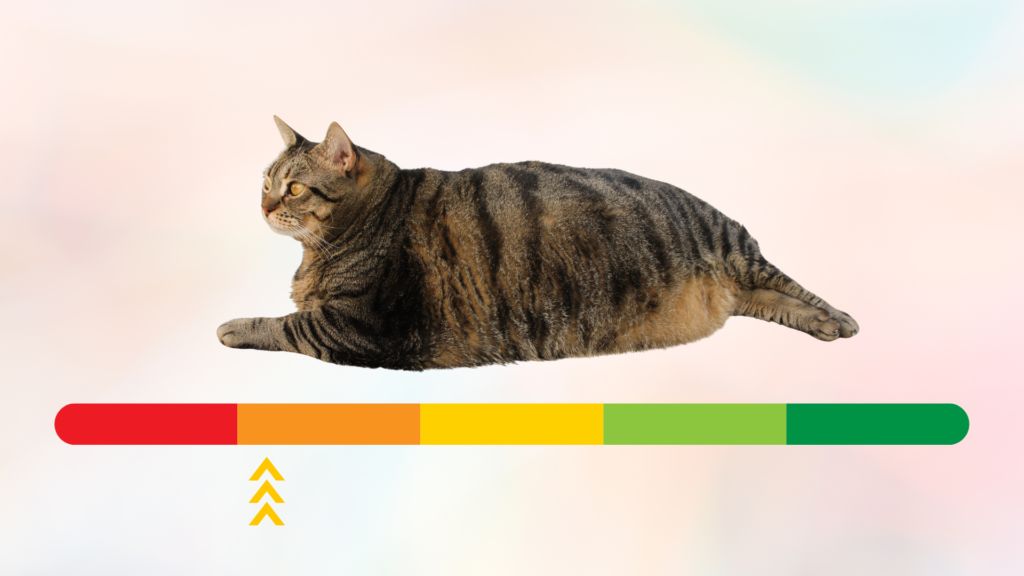
A visual and hands-on check offers useful clues about body condition. From above, a cat at a healthy weight usually has some definition behind the ribs, while the ribs should be noticeable under a light layer of tissue when gently touched. A rounded outline, little waist definition, or ribs that are difficult to feel may point toward an overweight cat. For a structured reference, review this at-home scoring chart for cats, then discuss your observations with your veterinarian rather than treating a chart as a diagnosis.
When Weight Gain Deserves a Veterinary Visit
Schedule a veterinary visit at Heritage Animal Clinic when your cat begins gaining weight, particularly when the change seems sudden or comes with shifts in appetite, thirst, activity, grooming, or litter box habits. A veterinarian will review body condition, current food portions, treats, activity, and relevant health concerns before discussing next steps. For cat owners in Madison, an exam creates a safer foundation for managing an overweight cat than making major feeding changes without veterinary guidance.
Three Smart Steps Before Changing Your Cat’s Diet
- Skip crash diets or severe food restriction. Rapid weight loss in cats carries serious health risks.
- Measure meals and treats consistently, then record what your cat eats so your veterinarian has a clearer picture of daily intake.
- Ask your veterinarian about an appropriate calorie target, feeding plan, and activity routine rather than relying on diet advice found online.
Weight Guidance for Local Cat Owners in Madison, AL
Heritage Animal Clinic serves pet owners from Madison, Huntsville, Athens, and Decatur with veterinary care for cats and dogs. If you are concerned about an overweight cat, our clinic’s team can evaluate weight trends, body condition, diet, and overall wellness during an appointment. Schedule a visit to discuss recent weight gain.