
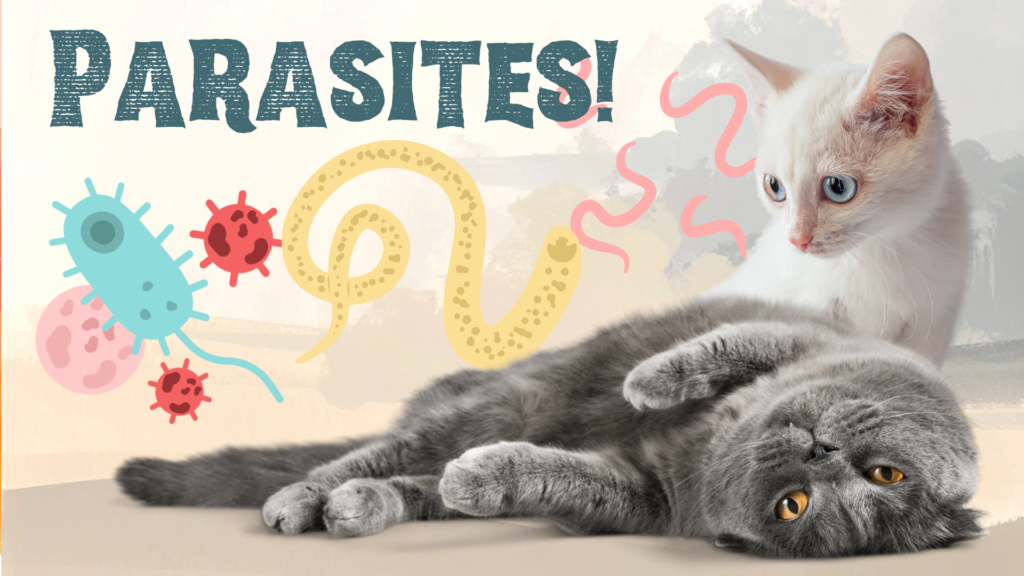
Parasites are one of the most common health concerns veterinarians see in pets. If your dog or cat suddenly starts scratching more than usual, develops stomach problems, or simply seems uncomfortable, parasites could be part of the problem.
At Heritage Animal Clinic in Madison, AL, our team helps pet owners protect their dogs and cats through wellness and sick care, dentistry, and preventive guidance designed for everyday life in North Alabama. Parasite prevention is a key part of keeping pets healthy year-round.
Whether you live in Madison or nearby communities like Huntsville and Athens, understanding how parasites affect pets is the first step toward prevention and early treatment.

Common Pet Parasites and the Signs to Watch For
Parasites that affect pets generally fall into two groups: external parasites that live on the skin or coat and internal parasites that live inside the body.
External parasites often include fleas and ticks. These pests live on the surface of your pet’s skin and can cause irritation, allergic reactions, and even transmit diseases.
Common signs of external parasites include:
Frequent scratching or biting at the skin
Hair loss or irritated patches
Tiny black specks or visible insects in the coat
Internal parasites are just as important to monitor. These include worms that live in the digestive system or bloodstream.
Signs of internal parasites may include:
Vomiting or diarrhea
Weight loss despite normal eating
A swollen belly or low energy
If you notice any of these symptoms, your veterinary team can help determine the cause and recommend appropriate diagnostics and treatment.

Heartworms and Intestinal Worms: Why Prevention Matters
Some parasites are more serious than others. Heartworms, for example, are transmitted through mosquito bites and can cause life-threatening damage to a pet’s heart and lungs if left untreated.
Intestinal worms such as roundworms, hookworms, and tapeworms are also common in pets. These parasites can interfere with digestion and nutrient absorption.
The good news is that most parasitic infections are preventable. Routine testing and preventive medications help protect pets before problems develop.
Veterinary professionals often emphasize that consistent prevention is the most effective approach. Organizations like the American Veterinary Medical Association explain the importance of parasite prevention for pets, including regular screenings and veterinarian-recommended preventives.
A Local Tip for Madison Pet Owners
Parasite risks can vary depending on where you live. In Madison and surrounding areas like Huntsville and Athens, warm weather and outdoor activity can increase exposure to fleas, ticks, and mosquitoes.
A simple habit that can help is performing a quick “coat check” after your pet spends time outdoors.
Look for:
Ticks attached to the skin
Areas where your pet is chewing or scratching
Redness or irritated skin
Catching parasites early often makes treatment easier and helps prevent more serious health issues.

Year-Round Parasite Prevention Protects Your Pet
Many pet owners assume parasites are only a summer problem. In reality, fleas, ticks, and other parasites can remain active throughout much of the year, especially in warmer climates.
A strong parasite prevention plan typically includes:
Regular preventive medications recommended by your veterinarian
Routine screenings during wellness visits
Prompt treatment if symptoms appear
Staying consistent with prevention helps reduce the risk of infestations and protects your pet’s overall health.
When to Contact Heritage Animal Clinic
If your pet is experiencing symptoms like persistent scratching, vomiting, diarrhea, or unexplained fatigue, it may be time to schedule a veterinary visit.
Heritage Animal Clinic serves dogs and cats across Madison, AL and nearby communities including Huntsville and Athens. Our team provides wellness and sick care, dentistry, and preventive guidance to help keep pets comfortable and healthy.
If you have questions about parasite prevention or notice signs of infection, you can Schedule an appointment.
Protecting your pet from parasites is one of the most important steps you can take to support their long-term health. With the right prevention plan and regular veterinary care, your pet can stay comfortable, active, and parasite-free.